
Terrain Response
™ is PVH’s smart system that makes tracker installation easier and improves performance on irregular or sloped terrain.Challenging terrain.
Proven performance.
Hilly, rocky, and uneven sites can drive up earthworks, extend project timelines, and increase environmental impact.
A smarter way to master any terrain
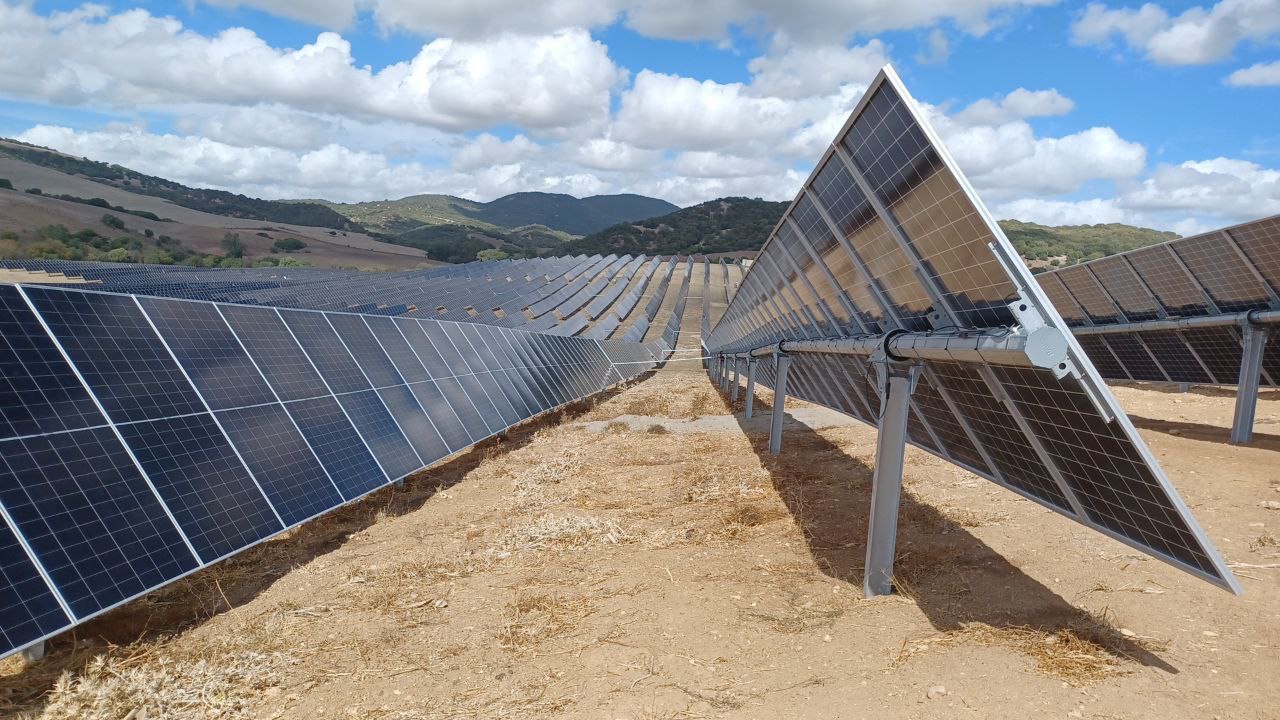
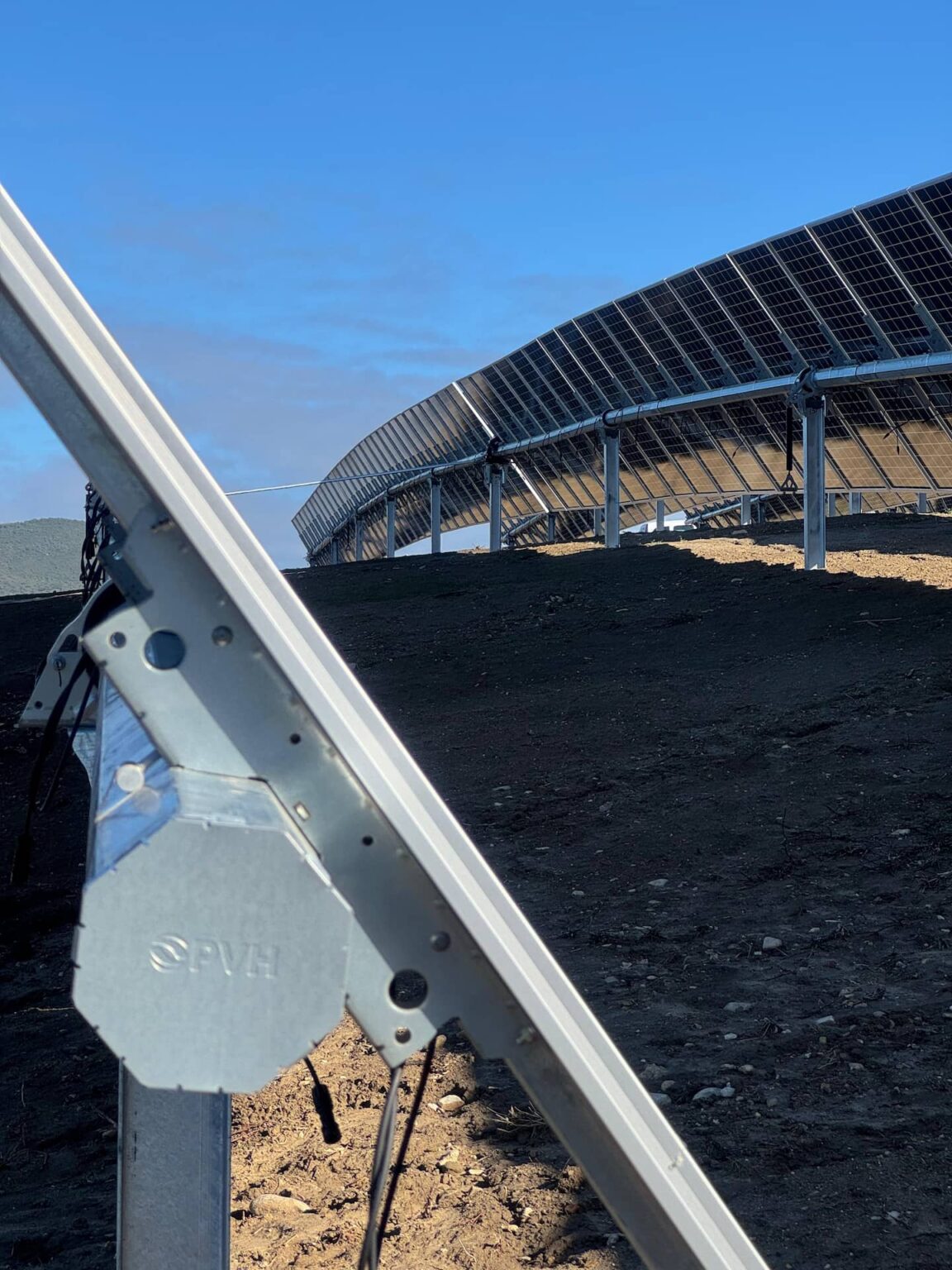
Terrain Response™ is our terrain-following solution designed to minimize earthworks, adapt to uneven ground, and protect topsoil. Combined with our bestselling tracker technology, it enables faster installation, reduces environmental impact, and delivers superior project performance.
Up to 90% reduction in earthworks costs
2° slope variation tolerance across posts
Prevents erosion & preserves biodiversity
Reduced pile lengths for cost savings
Key features for complex topographies
Slope Adaptability
Up to 15% N-S slope and 1° tolerance on posts for simplified installation.
Optimized Pile Lengths
Reduce pile lengths by up to 30 inches, lowering steel and installation costs.
Environmental Protection
Minimize dust, prevent soil erosion, and preserve topsoil integrity.
Foundation Flexibility
Designed for varied soil conditions with multiple engineering options
Frequent questions and answers
Can this solution adapt to steep slopes?
Yes, it supports up to 15% N-S slope and allows 1° variation across posts, making it ideal for challenging topographies.
Does it reduce earthworks and environmental impact?
Absolutely. It minimizes civil works and preserves the environment by protecting soil structure and reducing dust.
How does it integrate with PVH trackers?
It works seamlessly with our tracking systems for maximum flexibility and energy yield.
Does the torque tube suffer from this terrain-following design?
No. The design takes advantage of the torque tube’s natural torsion capacity, distributing stress evenly across the structure. This ensures durability and long-term performance even on irregular terrains.
Is it possible to implement this solution only in areas that require more adaptability?
Yes, it can be applied selectively in zones with complex topographies. However, it is often implemented across the entire plant to maximize installation efficiency, reduce earthworks, and protect the environment throughout the site.
Ready to build smarter?
Leave us your details and one of our sales members will get in touch
