As innovation transforms what’s possible in solar development, contractors are no longer limited to flat, sunny, utility-scale land By Kevin Conner The biggest constraint on solar has never been geography.
Discover why a Module Compatibility Letter is key for solar projects. Learn how tracker-module compatibility ensures IEC compliance, safety, and warranties.
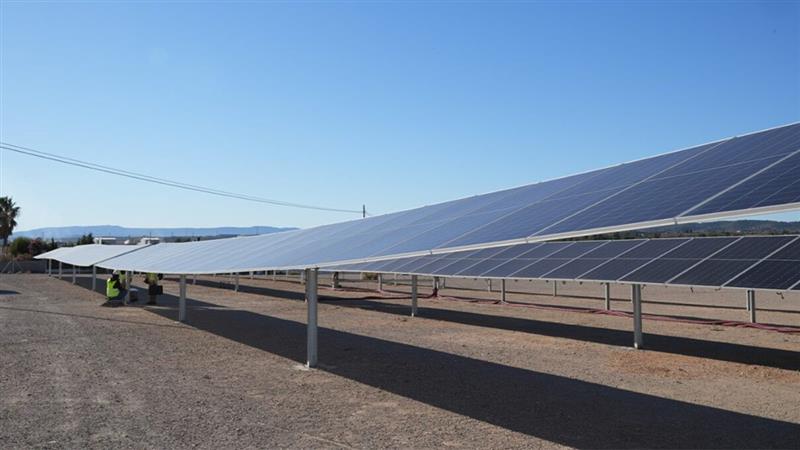
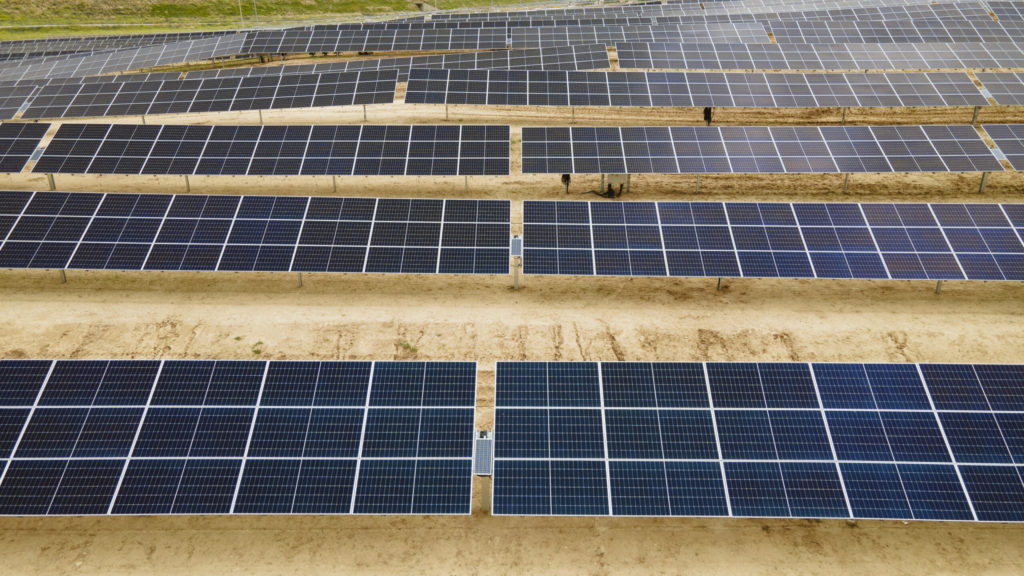
As utility-scale solar development accelerates across the United States, terrain-following solar trackers are becoming essential for building efficient, cost-effective projects on complex terrains, sloped, rocky, or uneven, without sacrificing performance or sustainability.
How PVH empowers utility-scale solar projects to deliver more, from day one. Utility-scale solar projects live or die by two critical metrics: 🔹 LCOE (Levelized Cost of Energy): The lifetime cost to deliver one kilowatt-hour of electricity.🔹 COD (Commercial Operation Date): The day your project starts billing energy to the grid.
Sustainability in solar manufacturing is not just a metric at PVH, it’s the foundation of everything we do. As the global demand for clean energy grows, so does the need for sustainable and carbon-conscious manufacturing.
When you’re developing a solar project, your mind is constantly balancing multiple priorities: energy yield, installation time, site conditions, costs, deadlines.
At PVH, we believe that no terrain should stand in the way of solar energy. That’s why we developed PVH Terrain Response an advanced solution designed to adapt to the most complex landscapes without compromising performance or efficiency.
As utility-scale solar projects expand into challenging terrains, PV Hardware (PVH) addresses these complexities with its Terrain Response system. This technology allows solar installations to adapt to natural land contours, minimizing environmental disruption Minimizing Earthworks and Decreasing Environmental Impact Traditional solar installations often require extensive grading, leading to habitat disruption and increased emissions.