
When developing large-scale solar projects in the Middle East, procurement teams routinely spend weeks negotiating the upfront price of mechanical structures. While hardware represents a highly visible capital outlay, evaluating a project purely on component line items creates a significant financial blind spot. Experienced developers recognize that the real margins are won or lost in the field through strategic optimization of the balance of system (BoS) solar infrastructure.
Focusing too heavily on initial component discounts ignores the broader impact that structural choices have on utility-scale PV BoS expenditures. A tracker is not merely a standalone piece of equipment; it functions as the central engineering framework for the entire site. The layout decisions, civil requirements, and labor hours associated with a specific structural system determine the true solar BoS cost far more than a discount on steel or controllers.
Mitigating civil risks and earthworks in complex terrains
In regions like the GCC, developers frequently face unforgiving terrain conditions, ranging from shifting desert sands to irregular sabkha formations. Civil works under these conditions can quickly spiral out of control, threatening project timelines and inflating the overall cost for the solar farm BoS. Traditional engineering models often rely heavily on aggressive grading and extensive cut-and-fill operations to prepare the land for rigid structural configurations.
Advanced tracker architectures alter this dynamic by introducing superior terrain adaptability. Tracker systems designed to conform to natural slopes minimize the need for extensive earthworks, heavy machinery, reduce site fuel consumption, and simplify local environmental permitting processes. By adopting trackers that can follow the natural terrain, engineering teams can eliminate the need for perfectly flat sites and can avoid unpredictable grading costs.
Controlling tracker installation cost through design simplification
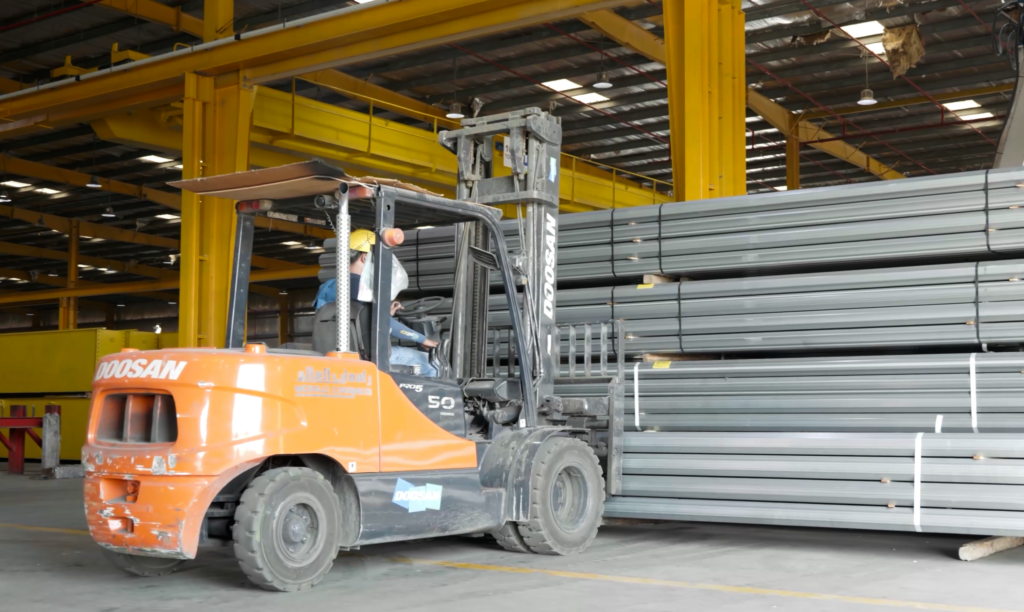
Field execution remains one of the largest variables in any utility-scale PV BoS budget. Installing thousands of steel piles and mechanical linkages across vast desert tracts demands an immense amount of field labor. Every additional structural component, heavy joint, need for special tools for installation, or complex connection mechanism directly increases the tracker installation cost and introduces a new layer of execution risk.
By utilizing longer row configurations, optimizing pile placement, and reducing the total parts count per megawatt, manufacturers can systematically lower these labor expenses. Choosing an optimized engineering configuration means field crews spend less time assembling individual tracking units, which directly accelerates the construction schedule. This faster deployment speed minimizes project financing overhead and allows EPC contractors to allocate their labor force more efficiently, pulling down the total solar tracker BoS cost.
Streamlining electrical routing and long-term performance
The financial impact of smart tracker engineering goes beyond structural elements to influence the electrical portion of the solar farm’s BoS. The physical arrangement of the tracker rows dictates the entire DC distribution network, including cable lengths, combiner box placement, and inverter integration. A poorly planned layout forces installation teams to run excessive lengths of copper or aluminum wiring across expansive site footprints.
Designing a layout that enables optimized block sizing allows for much tighter DC routing. Shorter, more strategic cable runs minimize raw material requirements and reduce the field hours needed for trenching and wiring. Furthermore, minimizing cable lengths limits long-term electrical line losses, meaning a higher percentage of generated power successfully reaches the grid over the life of the asset.
A realistic approach to project economics
As the Middle Eastern renewable sector continues to mature, relying on cheap hardware procurement is proving to be an inadequate financial strategy. The most profitable projects treat the entire construction process as an interconnected ecosystem rather than a collection of separate invoices.
True economic optimization comes from choosing tracker systems that eliminate field complexity, simplify layout constraints, reduce land grading requirements, and reduce the overall tracker installation cost. Shifting the focus from simple component pricing to holistic design integration is how developers protect their margins and ensure long-term asset performance.
Optimize your next utility-scale layout
Achieving significant BoS savings requires looking at your project site through an experienced engineering lens. The technical team at PV Hardware (PVH) specializes in analyzing complex terrain profiles, optimizing pile configurations, and tailoring tracker layouts to maximize field productivity and minimize structural risk. Contact our engineering experts today to discuss your specific site conditions and discover how optimized structural design can protect your project margins. To get started on a detailed configuration and receive a tailored structural assessment, visit our Request a Quote page.
