
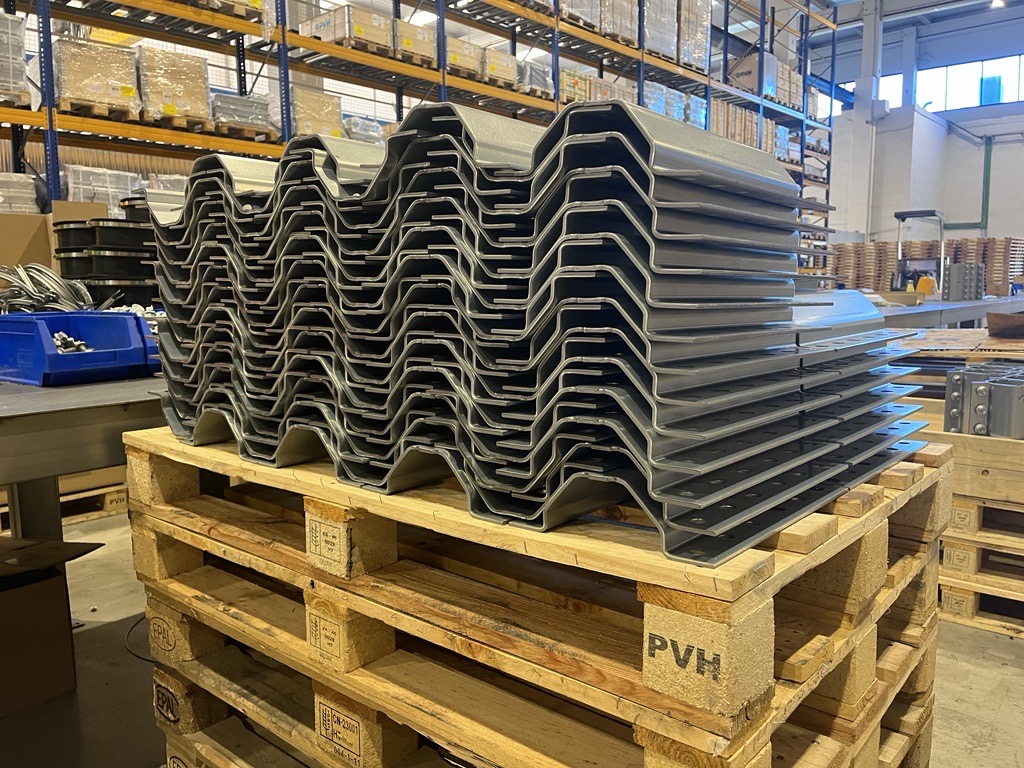
As a project manager working across the vibrant, yet challenging, landscapes of India and the Middle East, I have spent countless hours on project sites where the sun is both our primary energy source and our toughest adversary. In our region, utility-scale solar projects are rapidly scaling in size. While the ambition of these projects is inspiring, the execution reality can be daunting. We routinely manage massive, sprawling sites where logistical complexity can quickly spiral out of control.
For years, the standard approach to solar construction has involved “loose parts” assembly on-site. We are all familiar with the scene: thousands of components arriving in crates, requiring teams to manually assemble hundreds of individual pieces under a relentless sun. For a project manager, this is a nightmare and a significant drain on efficiency. But more importantly, it is a human issue.
The human and mechanical cost of loose parts
In the extreme heat of our climate, every hour spent under the sun matters. Manual assembly of complex tracker components is not just inefficient; it is physically exhausting and increases the risk of heat-related illness and on-site injuries. This is why I strongly advocate for moving to pre-assembly.
Based on recent case studies in utility-scale environments—specifically looking at tracker subassemblies—the impact of moving to pre-assembled, installation-ready units is staggering. When we transition from conventional field-assembly to pre-assembly, we are not just tweaking the process; we are fundamentally changing the construction workflow.
The data speaks for itself. By adopting a highly controlled pre-assembly strategy, we can reduce on-site components by over 70% and cut installation time by 44%. Consider the mechanics: a standard post-head assembly that might require 49 individual loose parts can be replaced by a single, pre-assembled unit. Think about what that does to an EPC team’s morale and productivity. Instead of managing dozens of field interfaces and risking errors with every bolt tightened in the heat, the crew receives an installation-ready unit.
The threefold benefits for regional projects
The first major advantage centers on worker safety and labor efficiency. By shifting the bulk of the assembly work away from the field and into controlled environments, we significantly reduce the time our teams spend in the heat. Fewer manual steps mean lower physical strain, fewer errors, and a dramatic reduction in the risk of injuries. For any PM managing a project, keeping a healthy, motivated, and safe workforce is the single most important factor in meeting tight project schedules.
Beyond safety, this shift directly impacts the bottom line through cost and time savings. Utility-scale projects are won or lost on execution speed. Reducing installation time by 44% isn’t just a nice-to-have; it allows us to meet aggressive Commercial Operation Date (COD) deadlines, which are critical in our market. Furthermore, by reducing the sheer volume of loose components, we drastically cut down on logistical hurdles, inventory management, and the waste associated with damaged or lost parts on site.
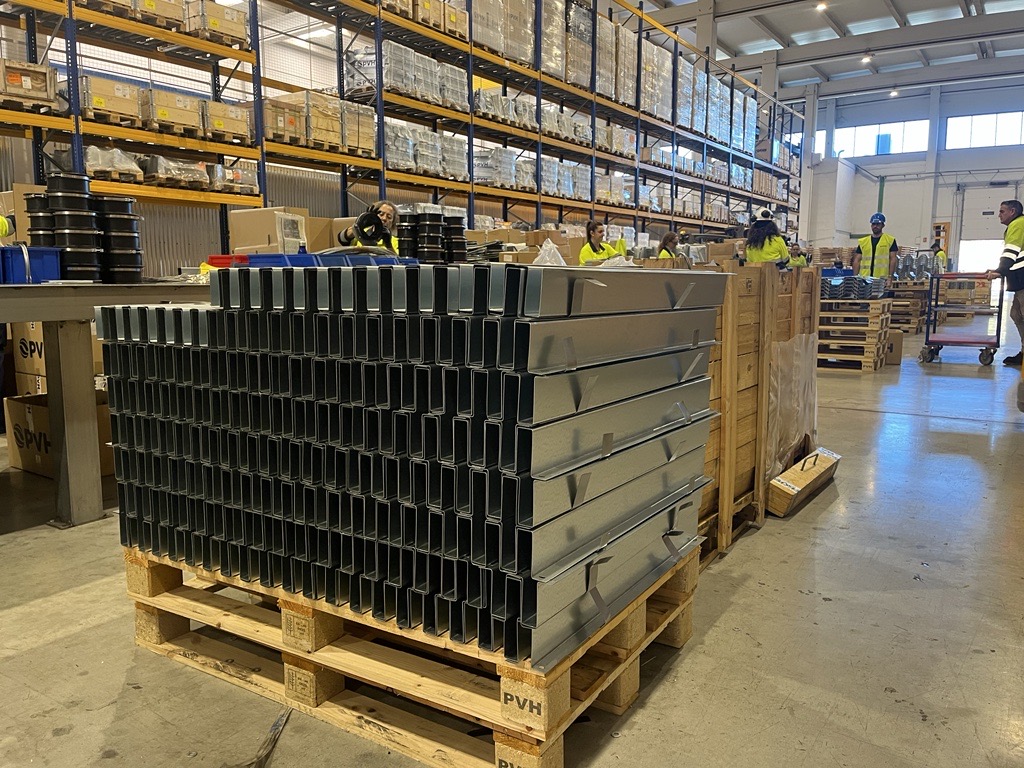
Ultimately, pre-assembly brings a level of predictability that is often missing from large-scale construction. When you replace 188 loose field-installed items with just 8 pre-assembled units, you aren’t just saving time—you are reducing “execution friction”. You are simplifying the logic of construction, creating a smoother, more rhythmic workflow that allows project teams to hit their stride and stay there.
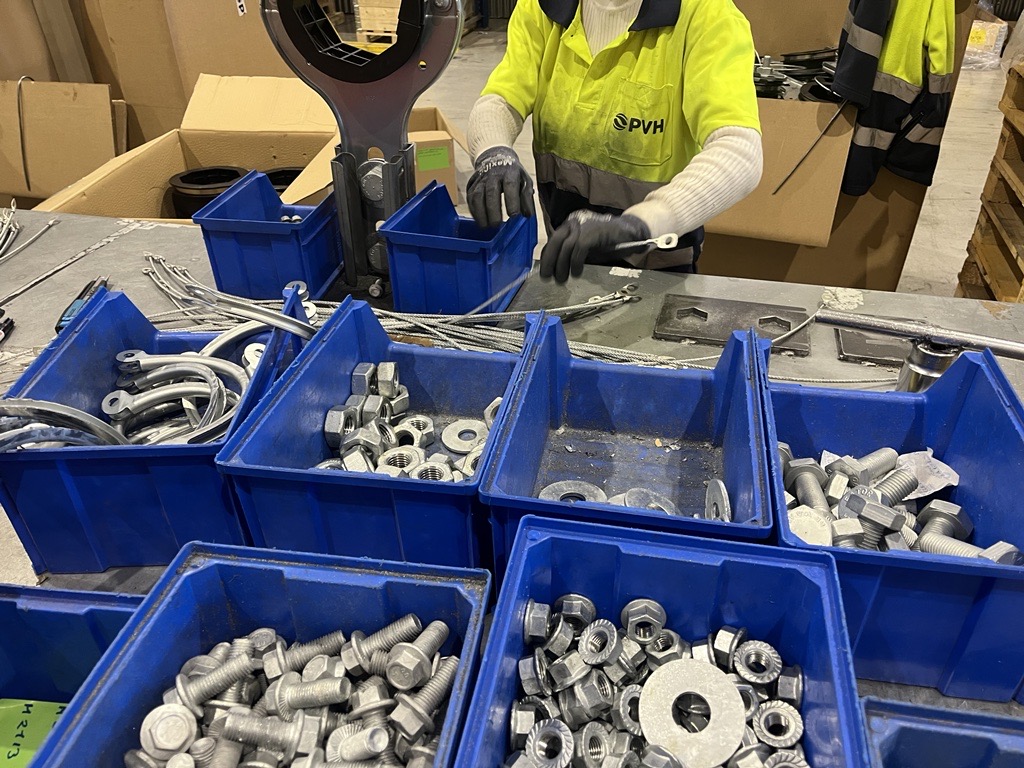
In my experience, we typically use approximately 5–8% more fasteners than estimated. This practice is cost-effective and helps remove bottlenecks caused by waiting for additional hardware, ensuring the project is completed on schedule.
Building smarter for tomorrow’s scale
In the Middle East and India, where the scale of our solar ambitions is growing every day, we cannot afford to keep building the way we did five years ago. We need to build smarter. Embracing pre-assembly is the logical next step for our industry. It protects our people, safeguards our budgets, and ensures that the massive utility-scale projects of tomorrow are built with the precision and speed they deserve. It is time to let go of the loose parts and embrace a future of installation-ready efficiency.
